
Personal exposure
Protect the relationships around your finances.
Why trusted instructions, recovery routes and human verification belong in the same protection plan.
Look beyond the banking app
Financial exposure can begin in email, messaging, shared documents or a conversation with a trusted adviser. An attacker may try to imitate a familiar relationship rather than compromise a financial institution directly. Protect the communications and decisions surrounding a transaction.
Separate a request from its verification
Agree how unusual or changed instructions will be checked. Verify through a contact route you already trust, especially when payment details change. A convincing display name, familiar tone or urgent explanation should not replace an established process.
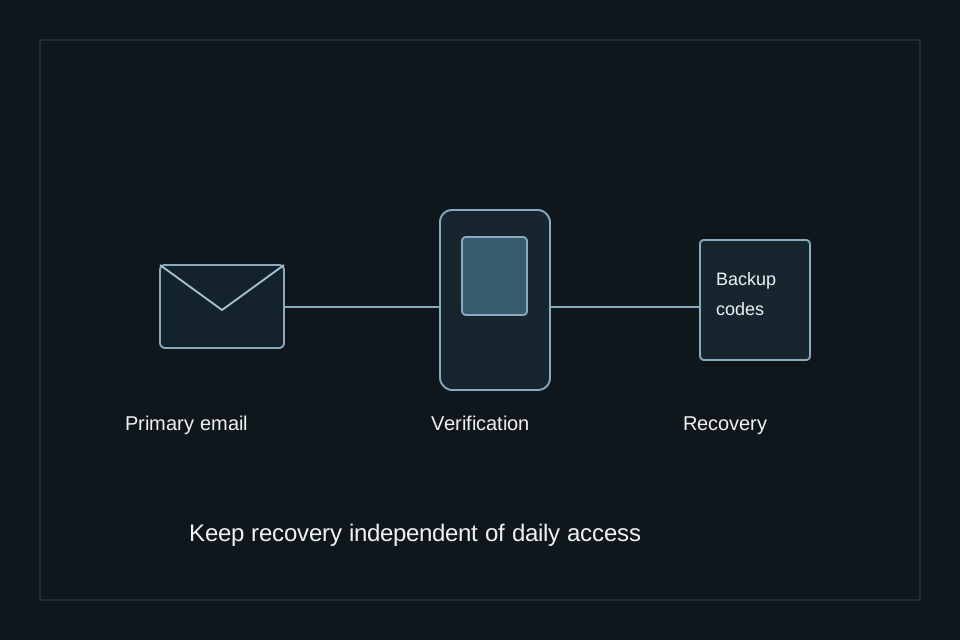
Secure the recovery chain
Review the email addresses, phone numbers and devices used to recover important accounts. Recovery access deserves the same care as normal sign-in. Consider what happens if a phone is lost or an email account becomes unavailable.
Include advisers and trusted staff
Make responsibilities explicit. Decide who may request a change, who can verify it and who can approve it. Give people permission to pause when something does not fit the agreed process. A brief delay for independent verification is easier to manage than uncertainty after a transfer.
Prepare for a suspected incident
Keep the official contact details for relevant institutions accessible. If a suspicious instruction or transfer occurs, contact the institution through a known channel promptly and preserve relevant communications. Recovery options depend on the circumstances; a clear response plan helps people act without improvising.
Explore personal cyber security services or request a confidential consultation.