
In the evolving landscape of digital finance, high net worth individuals face unprecedented threats from sophisticated cyber criminals. Your financial ecosystem, comprising multiple institutions, advisors, and digital platforms, presents numerous attack vectors that threat actors systematically exploit.
The convergence of wealth management digitization and advanced social engineering techniques has created a perfect storm for financial cybercrime. Understanding these threats and implementing robust countermeasures is no longer optional. It is essential for preserving your financial security.
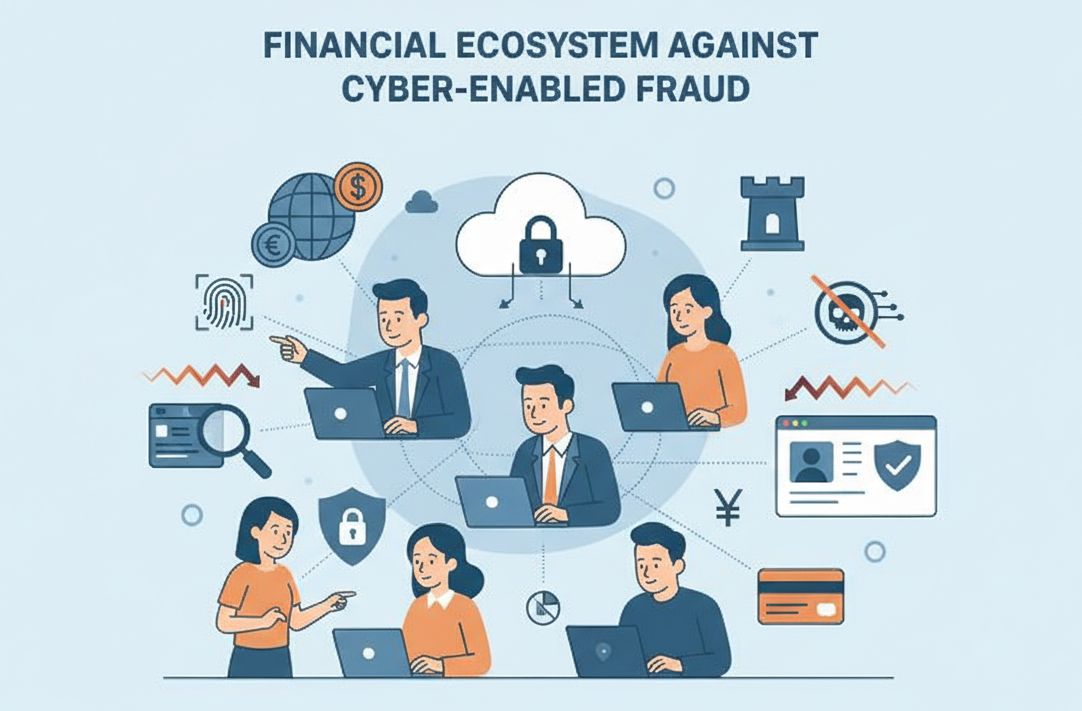
The Expanding Attack Surface
Modern financial ecosystems create multiple points of vulnerability that sophisticated attackers systematically target. Each connection between your accounts, advisors, and institutions represents a potential entry point for compromise.
Business Email Compromise (BEC)
Sophisticated phishing campaigns targeting financial professionals and their clients. Attackers impersonate legitimate contacts to initiate unauthorized transactions or extract sensitive information.
Mobile Banking Exploits
Malicious applications and SIM swapping attacks that bypass two factor authentication. These attacks specifically target the mobile devices used for financial management and transactions.
Third Party Vendor Risks
Supply chain attacks through financial technology vendors, wealth management platforms, and advisory services. A single compromised vendor can expose multiple high net worth clients.
The Financial Protection Framework
Effective financial cybersecurity requires a layered approach that addresses technical, procedural, and human vulnerabilities across your entire financial ecosystem.
Account Security Reinforcement
Implement advanced authentication protocols across all financial accounts, including hardware security keys and biometric verification where available.
Network Segmentation
Isolate financial activities from general computing through dedicated devices or virtual environments to contain potential breaches.
Transaction Monitoring
Establish real time alert systems for unusual activity across all financial accounts, with immediate response protocols for suspicious transactions.
Verification Protocols
Implement multi channel verification for significant financial transactions, requiring confirmation through separate communication methods.
Securing Your Advisory Relationships
Your financial advisors and wealth managers represent both your first line of defense and a potential vulnerability. Ensuring their cybersecurity practices meet enterprise standards is crucial.
Due Diligence Questions for Your Advisors
- What specific cybersecurity certifications does your firm maintain?
- How often do you conduct security awareness training for employees?
- What multi factor authentication is required for accessing client accounts?
- How do you secure communications regarding financial transactions?
- What insurance coverage do you maintain for cyber incidents?
- How quickly can you freeze accounts in case of suspected compromise?
Case Study: The Family Office Breach
A multi family office serving ultra high net worth clients experienced a sophisticated Business Email Compromise attack. The attackers, posing as family members, initiated wire transfers totaling $4.3 million. The breach was detected only when a family member noticed unusual account activity during a routine review. The incident highlighted critical gaps in verification protocols and employee training.
Advanced Protection Strategies
For individuals with substantial assets, basic financial security measures are insufficient. These advanced strategies provide additional layers of protection.
Segregated Banking Relationships
Maintain separate banking relationships for different financial activities to limit exposure from any single institution compromise. Consider these segregation strategies:
- Operating accounts for daily expenses at separate institutions from investment accounts
- Using different banks for personal and business finances
- Maintaining emergency funds at institutions not used for regular banking
- Separating domestic and international banking relationships
Transaction Approval Protocols
Establish formal protocols for authorizing significant financial transactions that require multiple verification steps:
- Dual authorization for transfers above predetermined thresholds
- Out of band verification for wire transfers and account changes
- Mandatory cooling off periods for unusually large transactions
- Regular review of authorized signatories and account permissions
Comprehensive Financial Security Assessment
Our financial cybersecurity experts can conduct a thorough assessment of your financial ecosystem and implement enterprise grade protection strategies.
Schedule Financial Security ReviewDigital Asset Protection
The rise of digital assets and cryptocurrency introduces unique security challenges that require specialized protection strategies.
Cold Storage Solutions
Utilize hardware wallets and cold storage for significant cryptocurrency holdings, keeping only minimal amounts in connected exchanges or hot wallets.
Multi Signature Wallets
Implement multi signature arrangements requiring multiple authorizations for transactions, preventing single point failures in security.
Inheritance Planning
Establish secure protocols for digital asset inheritance, ensuring heirs can access assets without creating security vulnerabilities during your lifetime.
Incident Response Planning
Despite robust prevention measures, preparation for potential incidents is essential. A comprehensive incident response plan should include these elements:
- Designated response team with clear authority and responsibilities
- Pre established communication channels with financial institutions
- Legal and public relations contacts for coordinated response
- Documented procedures for account freezing and transaction reversal
- Regular tabletop exercises to test response capabilities
Insurance and Financial Guarantees
Cyber insurance and financial guarantees provide important backstops, though they should complement rather than replace robust security measures.
Key Insurance Considerations
- Coverage limits adequate for your asset levels and risk profile
- Specific inclusion of social engineering and funds transfer fraud
- Clear understanding of security requirements to maintain coverage
- Rapid claims processing and incident response support
- Coverage for legal expenses and reputational harm
Continuous Monitoring and Improvement
Financial cybersecurity requires ongoing attention as threats evolve and your financial situation changes. Implement these continuous improvement practices:
- Quarterly security reviews of all financial relationships and accounts
- Regular updates to authentication methods and security protocols
- Ongoing education about emerging financial cyber threats
- Periodic independent security assessments of your financial ecosystem
- Staying informed about regulatory changes affecting financial security
The Human Element
Technical controls alone cannot prevent determined attackers from exploiting human vulnerabilities. Comprehensive financial security must include regular training for family members, household staff, and financial assistants who may be targeted as entry points to your financial ecosystem. Social engineering remains the most common attack vector against high net worth individuals.
Fortifying your financial ecosystem against cyber enabled fraud requires a comprehensive, layered approach that addresses technical, procedural, and human vulnerabilities. By implementing these strategies and maintaining vigilant oversight of your financial relationships, you can significantly reduce your risk exposure while maintaining the financial flexibility essential for wealth management and growth.
Remember that financial cybersecurity is not a one time project but an ongoing process that must evolve with both the threat landscape and your changing financial circumstances. The peace of mind that comes from knowing your assets are protected allows you to focus on what matters most. growing and deploying your wealth according to your goals and values.